
 Proton

The key point
Cleaning goals must be separated from leak repair; neither inevitable damage nor complete no-removal cleaning is established.
- Vehicle / subject
- Proton
- Record type
- Air-conditioning explained by Sifu White
- Original video
- 2026-06-29
Choose maintenance after identifying the problem
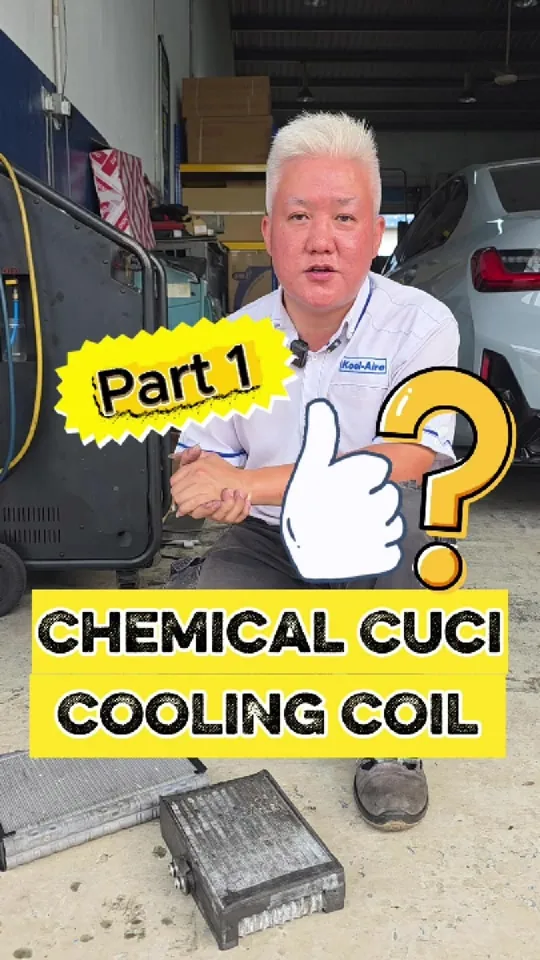
Cabin-filter service, cleaning the evaporator surface, flushing the refrigerant circuit and replacing a damaged component are different jobs. They address different problems and should not be grouped into a promise that one “service” will restore cooling. Air-side cleaning may improve airflow restricted by dirt, but it cannot close a hole in a metal coil. Flushing oil passages also cannot repair a broken wire or a sticking air door.
A quotation should explain where the work is performed, its purpose and what improvement is expected. Maintenance intervals should reflect the vehicle handbook, operating environment, condition and component supplier’s requirements, rather than a mileage figure from one video being applied to every car. Persistent refrigerant loss, unusual noise or control faults call for diagnosis before deciding whether cleaning belongs in the repair plan.
Why access and reassembly matter to the result
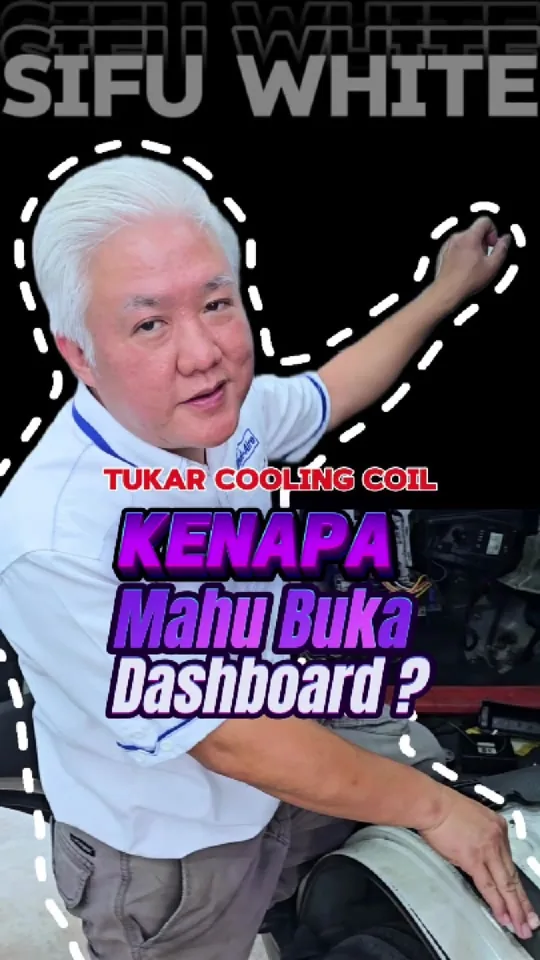
The evaporator usually sits inside the cabin HVAC housing. Access depends on the model, year and housing design. Some vehicles require dashboard removal; others provide a side-access route. Fewer dismantling steps are not automatically better, and more dismantling is not automatically necessary. What matters is whether the component can be reached correctly and whether clips, fasteners, wiring and seals can all be restored as intended.
Foam and duct seals keep air travelling through the intended paths. A damaged housing, missing fasteners or displaced seal can leave air leaks, noises or uneven delivery. The repair plan should therefore cover reassembly checks as well as the price of the replacement coil. Marks from earlier work may be useful clues, but glue or cracks alone do not establish who caused the damage or exactly how it happened.
What to tell the workshop about your own car
You do not need to guess a part name first. A clear description of what actually happens is often more useful for reproducing the complaint than requesting a particular replacement.
- Ask what is being cleaned, what fault it addresses and how improvement will be verified.
- Ask about access, seals, fasteners and the functions checked after reassembly.
- Include the model, year, recent repairs and what changed before or after the symptom began.
Questions owners ask
Should flushing be the first response to poor cooling?
First establish the fault and the purpose of cleaning. Flushing is not a substitute for leak testing, electrical diagnosis or mechanical repair, and component suitability must follow the relevant procedure.
Must the dashboard always come out for a cooling coil?
It depends on the exact vehicle and housing design. Use a method that allows proper removal and complete reassembly rather than applying one model’s shortcut to every car.
Original video and further reading
Original video by Sifu White, recorded on 2026-06-29.

 BMW