

The key point
The video proposes heat rejection and possible refrigerant loss as two directions, without diagnosing a specific vehicle.
- Vehicle / subject
- Multiple models / general topic
- Record type
- Air-conditioning explained by Sifu White
- Original video
- 2024-12-22
Sifu White explains what happened
Prices, repair times and warranty terms mentioned in the video applied at the time. Ask the workshop about current arrangements.
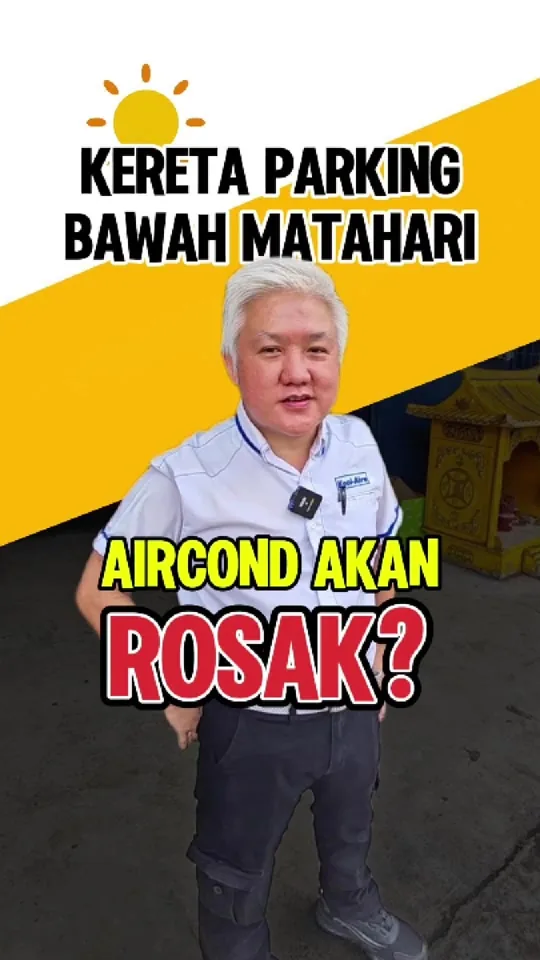
My car is often parked in direct sunlight without a roof. Could that affect or damage the air-conditioning? Parking under the sun alone will not damage it, but when the sun is strong and the cabin is very hot, the car will naturally take some time to cool down.
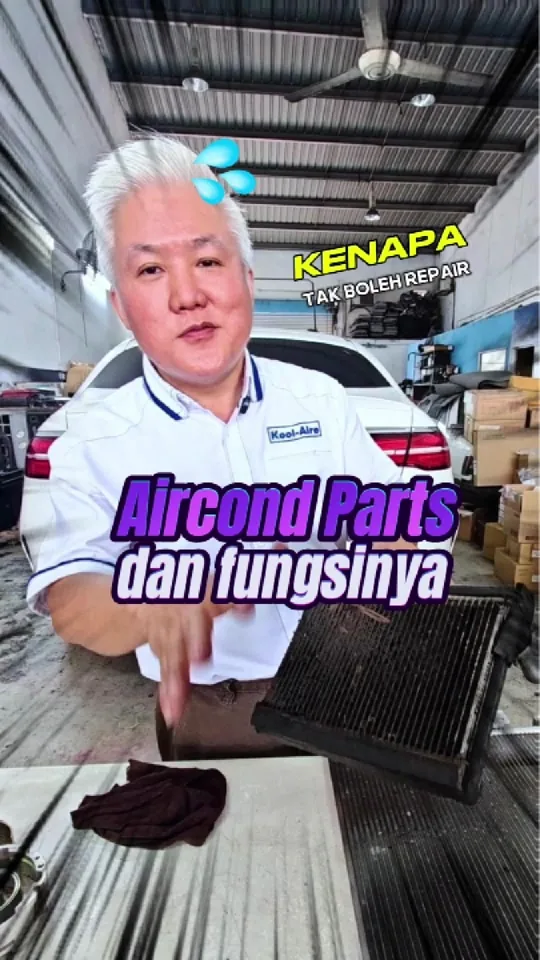
If cooling takes excessively long, two main areas should be checked. First is the heat-rejection system: inspect the radiator fan, condenser and radiator cleanliness. Any of these can slow down cooling. Second, the air-conditioning system may be low on refrigerant, so the leaking point must be found. The cooling coil is one common leak location.
Piping, the condenser and the compressor can also leak, but the system must be checked before anything is replaced. Do not simply proceed with flushing because someone recommends it. When refrigerant is low, refilling it after flushing can make the system cold temporarily. The important question is whether it will last; the source of the leak still has to be repaired.
Why hot weather or idling can reveal a cooling problem
Air-conditioning has to move cabin heat outside. Hot weather and sun-heated seats and trim increase the cooling load, while airflow through the condenser affects heat rejection. Airflow conditions change between driving and standing still. “Warm at idle, colder while moving” is therefore a useful clue, but it does not prove a fan failure without testing the fan, refrigerant circuit and relevant operating conditions.
Assessment can include condenser and radiator condition, fan operation, engine-cooling data and refrigerant specification. Some vehicles change A/C operation when engine or other protection conditions are active. Vent temperature also depends on ambient conditions, humidity, recirculation and fan speed. A reading from one video is not a universal pass mark for every car. Meaningful before-and-after comparisons should record comparable test conditions.
Why cooling after a regas does not prove a repair
Refrigerant circulates through a closed circuit; it is not fuel that the engine consumes. If cooling returns after charging and then deteriorates, the investigation should establish whether there is a leak, whether the previous charge matched the specification, and whether another control or heat-rejection problem is present. The initial return of cold air describes performance at that moment. It does not show that a leaking component has been repaired.
A model’s familiar failure pattern is a starting point, not proof. The condenser, connections, hoses, compressor seals and evaporator inside the cabin are different possible inspection locations. An oil stain can guide a leak test, but it is not a substitute for confirmation. Finding one leak also does not clear every other part of the circuit. After repair, the sealing and cooling performance need to be checked again under conditions relevant to the original complaint.
What to tell the workshop about your own car
You do not need to guess a part name first. A clear description of what actually happens is often more useful for reproducing the complaint than requesting a particular replacement.
- Compare idling, driving, midday and evening behaviour.
- Record the last regas date and how long cooling lasted.
- Include the model, year, recent repairs and what changed before or after the symptom began.
Questions owners ask
What vent temperature counts as normal?
Use the vehicle specification and test conditions. A video reading is a case observation, not a universal standard independent of ambient conditions, fan speed and running time.
Should the air-cond need repeated regassing?
Repeated regassing should trigger an investigation rather than become the routine solution. Record how long cooling lasts after each visit and have the leak locations and charge specification checked.
Original video and further reading
Original video by Sifu White, recorded on 2024-12-22.

 Audi
Audi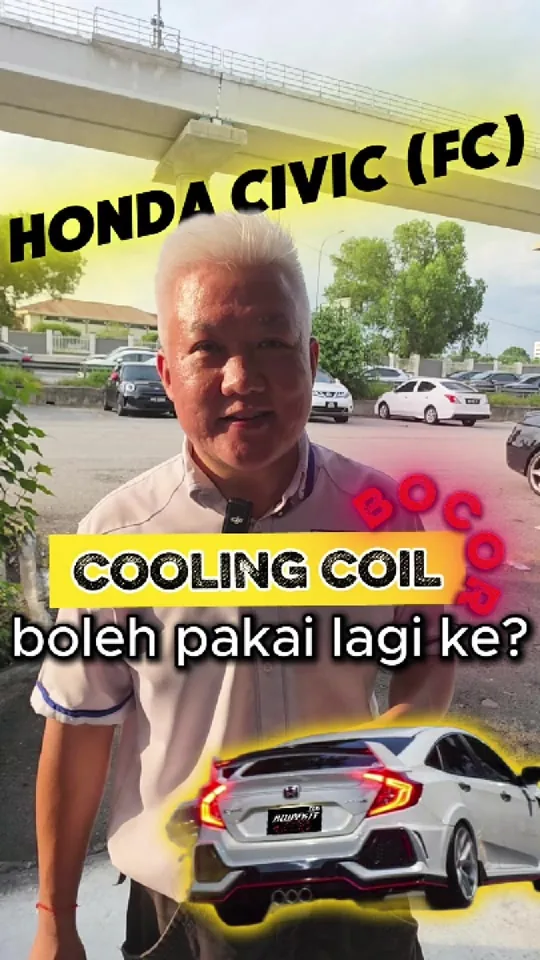
 Honda
Honda