


The key point
A final leak-test result is not supplied; the spoken confidence level is not a test report or a failure statistic.
- Vehicle / subject
- Multiple models / general topic
- Record type
- A diagnosis in progress with Sifu White
- Original video
- 2026-03-17
Sifu White explains what happened
Prices, repair times and warranty terms mentioned in the video applied at the time. Ask the workshop about current arrangements.
Sifu is diagnosing the leak location. A leak at the front is easier to see and repair. We inspect the condenser, discharge hose, suction hose, compressor and every other possible leak point. Based on experience with this model, the internal cooling coil also commonly leaks. Sifu strongly suspects the cooling coil in this case-described as around 99% confidence-but it still has to be confirmed.
Why cooling after a regas does not prove a repair
Refrigerant circulates through a closed circuit; it is not fuel that the engine consumes. If cooling returns after charging and then deteriorates, the investigation should establish whether there is a leak, whether the previous charge matched the specification, and whether another control or heat-rejection problem is present. The initial return of cold air describes performance at that moment. It does not show that a leaking component has been repaired.
A model’s familiar failure pattern is a starting point, not proof. The condenser, connections, hoses, compressor seals and evaporator inside the cabin are different possible inspection locations. An oil stain can guide a leak test, but it is not a substitute for confirmation. Finding one leak also does not clear every other part of the circuit. After repair, the sealing and cooling performance need to be checked again under conditions relevant to the original complaint.
Why access and reassembly matter to the result
The evaporator usually sits inside the cabin HVAC housing. Access depends on the model, year and housing design. Some vehicles require dashboard removal; others provide a side-access route. Fewer dismantling steps are not automatically better, and more dismantling is not automatically necessary. What matters is whether the component can be reached correctly and whether clips, fasteners, wiring and seals can all be restored as intended.
Foam and duct seals keep air travelling through the intended paths. A damaged housing, missing fasteners or displaced seal can leave air leaks, noises or uneven delivery. The repair plan should therefore cover reassembly checks as well as the price of the replacement coil. Marks from earlier work may be useful clues, but glue or cracks alone do not establish who caused the damage or exactly how it happened.
The next check is still pending
The video ends before the final repair is confirmed. The remaining checks will determine what needs to be repaired or replaced.
What to tell the workshop about your own car
You do not need to guess a part name first. A clear description of what actually happens is often more useful for reproducing the complaint than requesting a particular replacement.
- Record the last regas date and how long cooling lasted.
- Ask about access, seals, fasteners and the functions checked after reassembly.
- Include the model, year, recent repairs and what changed before or after the symptom began.
Questions owners ask
Should the air-cond need repeated regassing?
Repeated regassing should trigger an investigation rather than become the routine solution. Record how long cooling lasts after each visit and have the leak locations and charge specification checked.
Must the dashboard always come out for a cooling coil?
It depends on the exact vehicle and housing design. Use a method that allows proper removal and complete reassembly rather than applying one model’s shortcut to every car.
Original video and further reading
Original video by Sifu White, recorded on 2026-03-17.
Watch the original on TikTok ↗HELLA · Automotive air-conditioning ↗Contact details and arrangements in older videos may have changed. Please use this page’s WhatsApp link.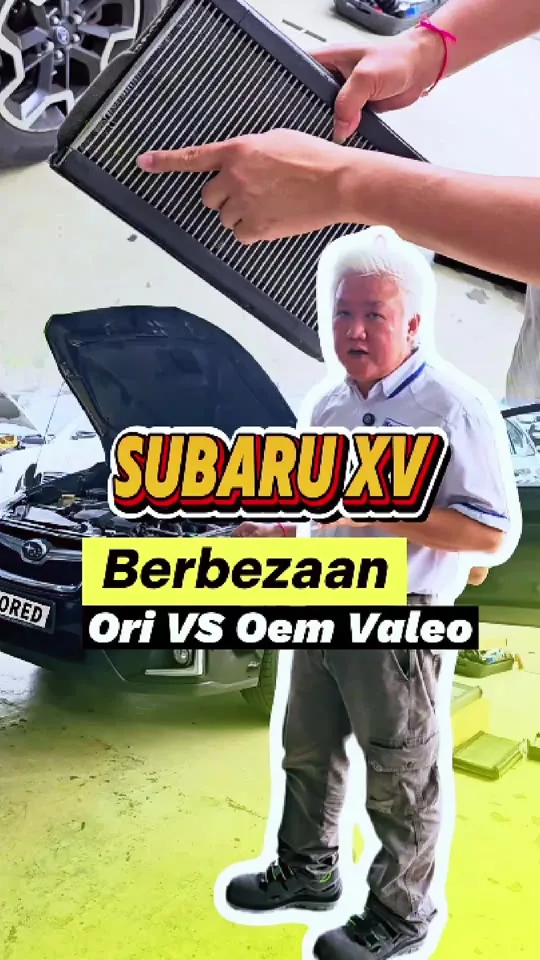
 Subaru